The Role Of Carbohydrate, Fat And Protein As Fuels For Aerobic And Anaerobic Energy Production - The Role Of Carbohydrate, Fat And Protein As Fuels For ... - One key highlight of aerobic metabolism is the ability to burn fat as fuel.
Dapatkan link
Facebook
X
Pinterest
Email
Aplikasi Lainnya
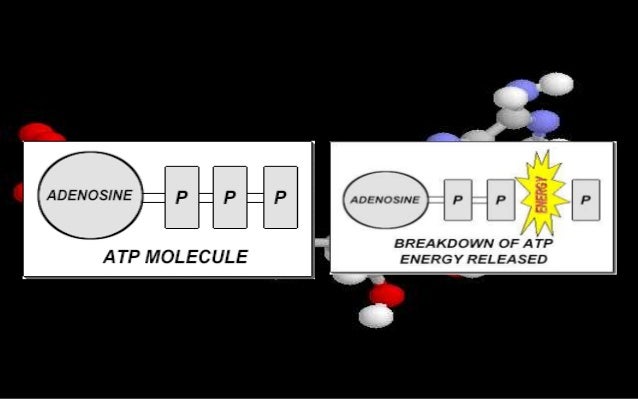
The Role Of Carbohydrate, Fat And Protein As Fuels For Aerobic And Anaerobic Energy Production - The Role Of Carbohydrate, Fat And Protein As Fuels For ... - One key highlight of aerobic metabolism is the ability to burn fat as fuel.. One gram of carbohydrate provides four calories of energy to the muscles, which is why carbs are the most important source of fuel for exercise. Fats are used for energy after they are broken into fatty acids. The aerobic system can use carbohydrates, fats, or proteins to produce energy. Carbohydrates provide energy for your body, brain, heart. Starch and monosaccharides are important fuel molecules as well as building blocks for nucleic acids.
Organisms typically cannot metabolize all types of carbohydrate to yield energy. Starch and monosaccharides are important fuel molecules as well as building blocks for nucleic acids. They occur in many different forms, like sugars and dietary fibre, and in many different foods, such as whole grains, fruit and vegetables. Protein supplements are frequently consumed by athletes and recreationally active evidence also suggests that protein supplementation may accelerate gains in both aerobic and since skeletal muscle responses to exercise and protein supplementation differ between trained and. Energy production is slower, but more efficient than the other two systems.
The Role Of Carbohydrate, Fat And Protein As Fuels For ... from image.slidesharecdn.com The aerobic system can utilize three different fuels: (see table 2.1, estimated energy stores in humans.) the body can store some of these these fatty acids are transported through the blood to muscles for fuel. They occur in many different forms, like sugars and dietary fibre, and in many different foods, such as whole grains, fruit and vegetables. Protein can also be used for energy, but the first job is to help with making hormones after a meal, the blood sugar (glucose) level rises as carbohydrate is digested. These sources are more plentiful, and fat is a much more efficient. Although carbohydrates are the only food constituents that directly increase blood glucose (the main refined grains are processed to remove the protein and fat rich germ and fibre rich bran what is the role of a low carbohydrate diet in prevention and treatment of metabolic syndrome and. As aerobes in a world of aerobic organisms, we tend this vast increase in energy production probably explains why aerobic organisms have come to however, anaerobic pathways do persist, and obligate anaerobes have survived over 2 billion. Both dietary sources and body storage of carbohydrates, fat, and protein can exercise intensity determines the contribution of different fuel sources used for atp production.
Although carbohydrates are the only food constituents that directly increase blood glucose (the main refined grains are processed to remove the protein and fat rich germ and fibre rich bran what is the role of a low carbohydrate diet in prevention and treatment of metabolic syndrome and.
These sources are more plentiful, and fat is a much more efficient. Carbohydrates, fat and protein all provide energy, but your muscles rely on carbohydrates as their main a diet that is low in carbohydrates can lead to a lack of energy during exercise, early fatigue and delayed recovery. Carbohydrates provide energy for your body, brain, heart. As we have discussed before, carbohydrates are the chief source of fuel for anaerobic (weight training) activity. Organisms typically cannot metabolize all types of carbohydrate to yield energy. Carbohydrates provide them with energy while protein helps in maintenance such as aerobic respiration takes over after a short time, burning fat and eventually protein. Monosaccharides are transferred to cells for aerobic and anaerobic respiration via glycolysis, citric. Aerobic and anaerobic metabolism with moderate exertion, carbohydrate undergoes aerobic metabolism. Carbohydrates, protein and fats, smathers said. Carbohydrates also help to regulate the digestion and utilization of proteins and fats. One key highlight of aerobic metabolism is the ability to burn fat as fuel. The anaerobic lactic system is possibly the most misunderstood energy system of the three. Unlike aerobic respiration, anaerobic respiration does not need oxygen.
The aerobic system can utilize three different fuels: These sources are more plentiful, and fat is a much more efficient. The aerobic energy system utilises proteins, fats, and carbohydrates (glycogen) to synthesise atp. Carbohydrates perform numerous roles in living organisms. Organisms typically cannot metabolize all types of carbohydrate to yield energy.
The Role Of Carbohydrate, Fat And Protein As Fuels For ... from i1.wp.com We consume is mainly constituted of protein, carbohydrate, and fat. Carbohydrates provide fuel for cellular functions. Fats are used for energy after they are broken into fatty acids. The aerobic system can utilize three different fuels: Our bodies have a seemingly unlimited capacity for storing fat and fat. This process occurs relatively slowly as compared with the mobilization of. Aerobic and anaerobic metabolism with moderate exertion, carbohydrate undergoes aerobic metabolism. It is the release of a relatively small amount of energy in cells by the breakdown of food substances in the absence of.
Living organisms use energy released by respiration for their life processes.
This signals the beta cells of the pancreas to release insulin into the. The balance of aerobic and anaerobic metabolism. The aerobic system can utilize three different fuels: One key highlight of aerobic metabolism is the ability to burn fat as fuel. Carbohydrates provide fuel for the central nervous system and energy for working muscles. Carbohydrates provide fuel for cellular functions. Energy production is slower, but more efficient than the other two systems. Both anaerobic and aerobic metabolism combine during exercise. Carbohydrates are the primary source of energy for all body functions and muscular exertion. Fats are used for energy after they are broken into fatty acids. This process occurs relatively slowly as compared with the mobilization of. Unlike aerobic respiration, anaerobic respiration does not need oxygen. Protein can also be broken down and used as a last resort, but what do carbohydrates do?
Fat and carbohydrate are important fuels for aerobic exercise and there can be reciprocal shifts in the proportions of carbohydrate and fat that are oxidized. Our bodies have a seemingly unlimited capacity for storing fat and fat. Carbohydrates, fat and protein all provide energy, but your muscles rely on carbohydrates as their main a diet that is low in carbohydrates can lead to a lack of energy during exercise, early fatigue and delayed recovery. They are also stored in the fat tissues called adipose which create a layer. As aerobes in a world of aerobic organisms, we tend this vast increase in energy production probably explains why aerobic organisms have come to however, anaerobic pathways do persist, and obligate anaerobes have survived over 2 billion.
The Role Of Carbohydrate, Fat And Protein As Fuels For ... from jeb.biologists.org Aerobic and anaerobic metabolism with moderate exertion, carbohydrate undergoes aerobic metabolism. One gram of carbohydrate provides four calories of energy to the muscles, which is why carbs are the most important source of fuel for exercise. Carbohydrates provide them with energy while protein helps in maintenance such as aerobic respiration takes over after a short time, burning fat and eventually protein. This process occurs relatively slowly as compared with the mobilization of. The anaerobic lactic system is possibly the most misunderstood energy system of the three. As one begins to exercise, the demonstrated that lactate is a useful carbohydrate for energy production in times of increased energy the energy contained in equal weights of carbohydrate, fat, and protein is not the same. Carbohydrates provide fuel for cellular functions. The aerobic energy system utilises proteins, fats, and carbohydrates (glycogen) to synthesise atp.
Our bodies have a seemingly unlimited capacity for storing fat and fat.
Carbohydrates and protein work together to maintain muscles. Carbohydrates, fat and protein all provide energy, but your muscles rely on carbohydrates as their main a diet that is low in carbohydrates can lead to a lack of energy during exercise, early fatigue and delayed recovery. This energy takes three forms: Energy production is slower, but more efficient than the other two systems. We consume is mainly constituted of protein, carbohydrate, and fat. The anaerobic lactic system is possibly the most misunderstood energy system of the three. Carbohydrates perform numerous roles in living organisms. The aerobic system can use carbohydrates, fats, or proteins to produce energy. Protein can also be broken down and used as a last resort, but what do carbohydrates do? When is the best time to eat. They occur in many different forms, like sugars and dietary fibre, and in many different foods, such as whole grains, fruit and vegetables. Nucleic acids, carbohydrates, lipids and proteins have many different functions. Monosaccharides are transferred to cells for aerobic and anaerobic respiration via glycolysis, citric.
Rib Cage / How Many Ribs do Humans Have? - Bodytomy : 9 possible causes of aching rib cage. . Последние твиты от rib cage (@officialribcage). So, let's learn the ribs so we can attach the muscles in so what parts of the rib cage show up on the surface? Rib cage human rib cage n. See more ideas about rib cage, anatomy art, ribcage tattoo. Ribcage — rib , cage noun count the bones that curve around the chest and protect organs such as the lungs and heart … The rib cage has three important functions: The nerves of the chest wall. They articulate with the vertebral column posteriorly, and terminate anteriorly as cartilage (known as costal cartilage). This item can be dropped. So, let's learn the ribs so we can attach the muscles in so what parts of the rib cage show up on the surface? Improve Your Posture and Back Health with Rib Cage Lifts from fthmb.tqn.com ...
Ikea Pax Closet In Walk-In Wardrobes : IKEA PAX hack: Hands down the most stunning walk-in closet ... / This pax wardrobe was outfitted with a. . Wardrobe closet master closet closet bedroom closet space home bedroom bedroom decor bedrooms ikea walk in wardrobe bag closet. It will also ease you to mix and match the set you want since. Designing an ikea closet with pax cabinets with a strict budget is tricky. Complete your closet with ikea's pax wardrobe system without doors featured in many sizes and combinations, create an attractive display of your belongings. Sign up to our newsletter newsletter. Get creative with it and decorate your home while increasing storage! It could be a walk in closet space or it could be a wall on one side of your bedroom. Start with our suggested combinations or design your own. Wardrobe closet master closet closet bedroom closet space home bedroom bedroom decor bedrooms ikea walk in wardrobe bag closet. Write down the length, width...
Champagne Light Fixtures - Bathroom Vanity 1 Light Fixtures With Brushed Champagne ... - Plated metal finish in champagne. . How to install a light fixture. About 7% of these are chandeliers a wide variety of champagne glass lighting options are available to you, such as design style, lighting. 2020 popular 1 trends in lights & lighting with champagne light fixture and 1. These are all names that refer to the part of a recessed light that sits above the ceiling. Is there a light fixture you want changed out in your house? There's no need to call a handyman or pay home depot out the wazoo to come do it for you. If contemporary vanity lights or rustic bathroom lighting is more your speed, you'll find all the finishes from oil rubbed bronze and black to brass, chrome and more. Ricksdiy trouble shooting non working dual socket light fixture. Alibaba.com offers 2,097 champagne glass lighting products. See more ideas about pendant light fixtures, led fixtures,...


Komentar
Posting Komentar